
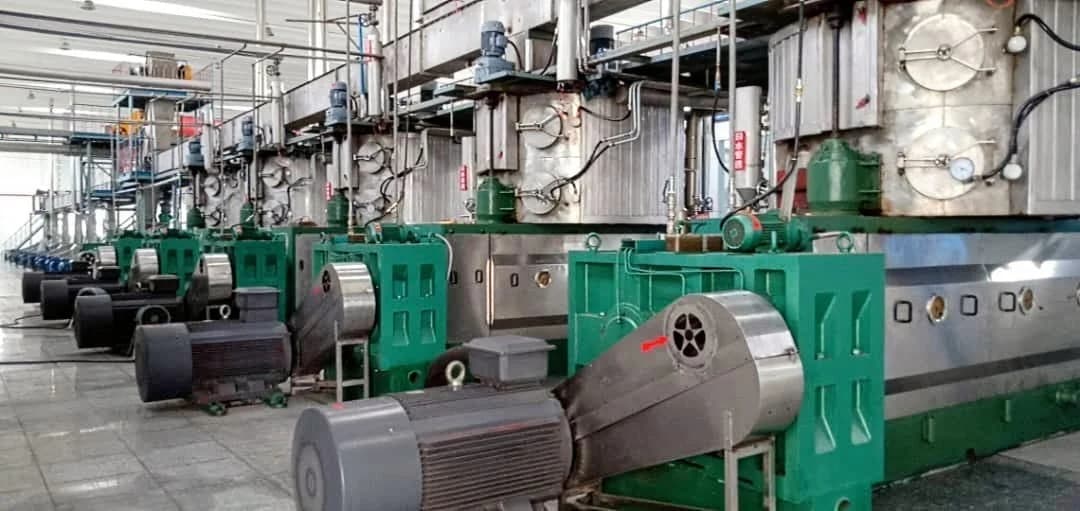
Why Better Processing Improves Value for Soybeans and Derivative Products
From cleaning and sorting to extraction and packaging, every processing decision affects shelf life, buyer confidence, and the final market value of each product.
Processing turns raw commodities into scalable products
Value-added processing allows soybean supply to move beyond raw trading into products with broader commercial use. Oil and meal production can serve food, feed, and industrial markets with clearer product positioning.
For agribusiness operators, processing also creates more room to improve margins, diversify buyers, and respond to demand across multiple channels.
Consistency improves commercial outcomes
When processing systems are built around quality controls, businesses produce outputs that are easier to market and easier for buyers to trust. That consistency affects repeat orders, pricing discussions, and production planning.
Facility design, trained personnel, and process discipline therefore become commercial assets, not just operational choices.
Market readiness depends on operational discipline
Efficient soybean processing depends on reliable throughput, safe handling, and a product standard that can hold across batches. These qualities help businesses serve local and foreign markets more effectively.
At Vaultman House, processing is not treated as an isolated factory activity but as part of a larger agribusiness value chain.
Continue the conversation
Explore the related Vaultman House service behind this article or get in touch with the team for a tailored conversation.